Elevating Interior Design with 3D Layered Wall Decor Laser Cut Art
The modern interior design landscape is shifting away from mass-produced, flat imagery toward textured, tactile experiences that tell a story. At the forefront of this movement is 3D layered wall decor laser cut art, a medium that bridges the gap between digital precision and organic warmth. This form of artistic expression does more than fill empty wall space; it introduces depth, shadow, and dimensionality that change dynamically with the lighting in a room. For creators, homeowners, and design enthusiasts, understanding the mechanics and aesthetic potential of these layered pieces offers a unique opportunity to personalize spaces in ways that were previously accessible only through high-end custom carpentry.
The Evolution of Depth in Digital Fabrication
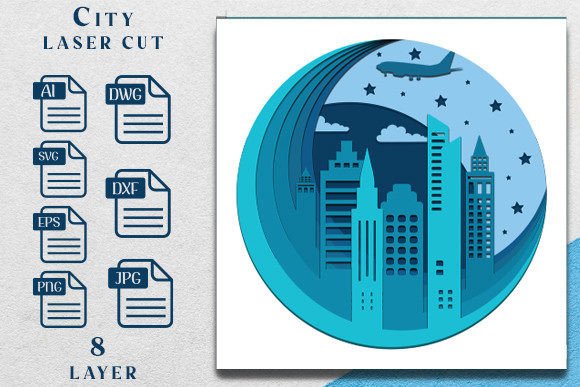
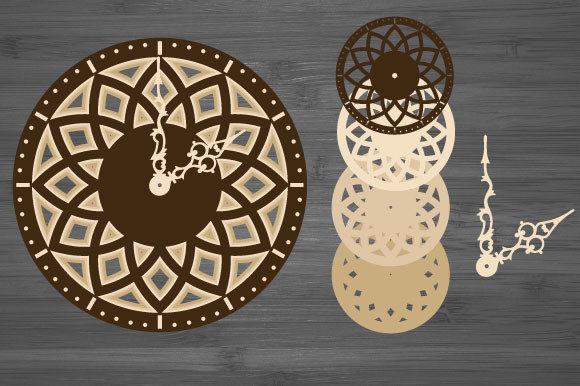
Traditionally, creating multi-dimensional wall art required significant manual labor, involving complex joinery, hand-carving, or expensive molding techniques. The advent of consumer-grade laser cutting technology has democratized this process. What was once a niche industrial capability is now a viable hobbyist and small-business venture. The core concept relies on stacking multiple sheets of material—typically plywood, MDF, or acrylic—to create a topographical effect. Each layer represents a different plane of the image, from the distant background to the immediate foreground.
This evolution reflects a broader trend in modern workflows: the seamless integration of digital design and physical creation. Designers no longer need to be master carpenters to produce sophisticated wooden structures. Instead, they leverage vector software to plan the layers, ensuring that each cut contributes to the overall visual narrative. The result is a piece of art that feels both modern and rustic, appealing to those who appreciate the clean lines of geometric design alongside the natural grain of wood.
Analyzing the Wilderness Aesthetic
One of the most compelling applications of this technology is the creation of nature-inspired scenes, such as the 3D Layered Wall Decor Laser Cut Wooden Forest and Mountain Layered Art. These designs often feature intricate silhouettes of wildlife, such as deer and wolves, set against backdrops of dense forests and rugged mountain ranges. The appeal lies in the juxtaposition of the wild, untamed subject matter with the precise, controlled method of production.
Consider the wilderness deer and wolf scene. In a flat print, these animals might appear static. However, in a multi-layered plywood construction, the deer can be positioned on a foreground layer, appearing to step out of the frame, while the wolf remains in the mid-ground, partially obscured by tree silhouettes. This spatial arrangement mimics the way human eyes perceive depth in nature. The use of geometric wildlife panels further enhances this effect by simplifying complex organic forms into clean, recognizable shapes that read well from a distance.
The popularity of these nature geometric wildlife panels aligns with the "biophilic design" trend, which seeks to connect building occupants more closely to nature. As urban living becomes more prevalent, there is a growing desire to bring elements of the outdoors inside. A scenic woods horizon triptych serves not just as decoration, but as a window to a tranquil landscape, offering a psychological respite from the digital noise of daily life.
Technical Precision: Understanding Cut and Engrave Lines
For those interested in creating or purchasing these designs, understanding the technical file structure is crucial. High-quality laser ready files are meticulously organized to guide the machine’s behavior. A standard instruction set for these projects typically distinguishes between cutting and engraving operations using color-coded vectors. For instance, RED line – CUT indicates where the laser should slice completely through the material to separate the shape, while BLACK line – ENGRAVE tells the laser to etch details onto the surface without cutting through.
This distinction is vital for achieving the desired aesthetic. Cutting lines define the silhouette of trees, mountains, and animals, allowing them to be stacked. Engraving lines add texture, such as the bark on a tree trunk or the fur pattern on a wolf, adding a level of detail that enhances realism without compromising structural integrity. Users must ensure their cutting machine and software are compatible with these instructions. Most modern lasers, including popular models like Glowforge, interpret these color codes effectively, but verifying settings before running a full job is a best practice to avoid material waste.
Versatility in File Formats and Workflow Integration
The accessibility of 3D layered wall decor designs is largely due to the versatility of the digital files provided. A comprehensive digital product package typically includes a zip archive containing multiple file formats to suit various software ecosystems. Common inclusions are:
- SVG (Scalable Vector Graphics): Ideal for web-based design tools and many laser cutting software platforms due to its scalability and ease of editing.
- EPS (Encapsulated PostScript): Preferred by professional graphic designers using Adobe Illustrator or CorelDRAW for high-fidelity vector editing.
- PDF (Portable Document Format): Useful for viewing the design layout and printing references, often containing vector data that some laser software can import.
- DXF (Drawing Exchange Format): A standard for CAD software, ensuring compatibility with engineering-focused design tools.
- PNG (Portable Network Graphics): Provides a raster preview of the final assembled look, helpful for visualization and marketing materials.
This multi-format approach ensures that whether you are a hobbyist using user-friendly cloud-based software or a professional utilizing advanced CAD programs, you can integrate the design into your workflow seamlessly. If specific needs arise, such as a different file type or a customized PNG size, direct communication with the designer is often encouraged. This flexibility supports a collaborative environment where creators can tailor assets to their specific project requirements.
Practical Implications for Creators and Homeowners
For entrepreneurs and small business owners, these Glowforge ready animal mandala projects represent a viable product line. The ability to produce high-margin, visually striking decor items with relatively low material costs is attractive. Plywood is affordable and widely available, and the laser cutting process is efficient once the initial design phase is complete. Furthermore, the modular nature of layered art allows for customization. Creators can offer different wood stains, sizes, or even combine elements from different sets to create bespoke commissions.
For the everyday homeowner or DIY enthusiast, these projects offer a rewarding creative outlet. Assembling a detailed tree silhouette art piece requires patience and attention to detail, but the result is a unique home accent that cannot be bought in big-box stores. The process of sanding, staining, and gluing the layers together fosters a deeper connection to the object. It transforms passive consumption into active creation.
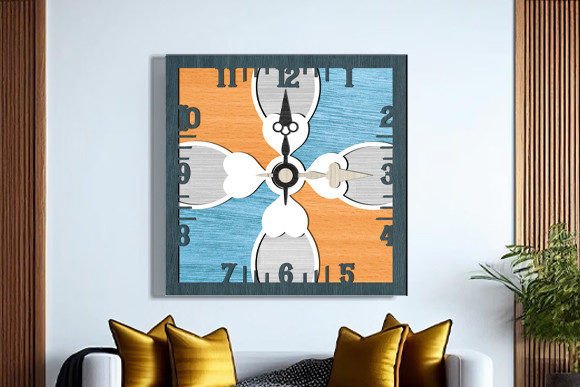
Moreover, the aesthetic versatility of these pieces allows them to fit into various interior styles. A modern rustic cabin wall hanging complements log homes and chalets, but when executed with clean lines and light woods, it also fits seamlessly into Scandinavian minimalist or contemporary urban apartments. The key is in the finish; a natural wood tone emphasizes warmth and tradition, while a painted monochrome finish can highlight the geometric aspects of the design, making it feel more modern and abstract.
Future Trends in Layered Laser Art
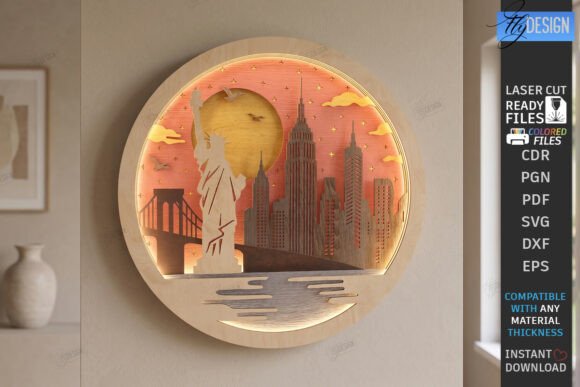
As technology advances, we can expect to see even more intricate designs becoming feasible. Improvements in laser precision allow for finer details in the geometric line art landscape components, enabling thinner cuts and more delicate connections between layers. Additionally, the integration of LED lighting behind layered panels is emerging as a popular trend, creating illuminated art pieces that serve as both decor and ambient lighting.
The community aspect of this craft is also growing. Online marketplaces and social media platforms allow designers to share tips, troubleshoot issues, and showcase their finished works. Following designers and shops ensures access to future releases and new design concepts. This continuous flow of inspiration keeps the medium fresh and evolving, encouraging both new and experienced makers to push the boundaries of what is possible with laser-cut wood.
In conclusion, 3D layered wall decor laser cut art is more than a passing trend; it is a testament to the power of digital fabrication to enhance our living spaces. By combining the precision of technology with the beauty of natural materials, these pieces offer a unique blend of modernity and tradition. Whether you are a creator looking to expand your product offerings or a homeowner seeking to add depth and character to your walls, exploring this medium provides a fulfilling and visually rewarding experience. For any questions regarding file compatibility or customization, reaching out to designers directly remains the best way to ensure a successful project outcome.