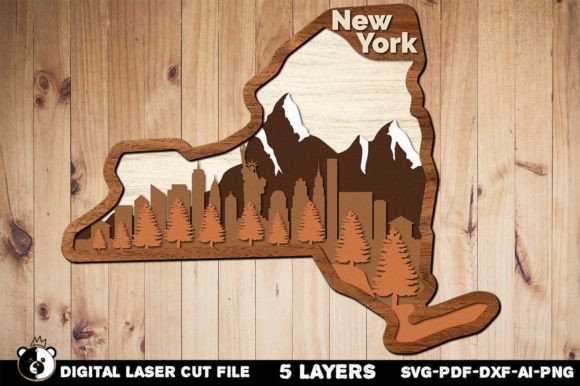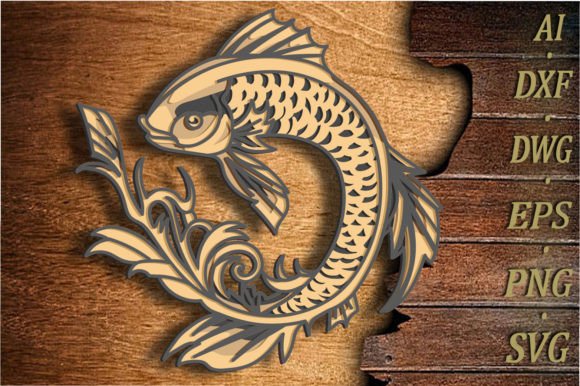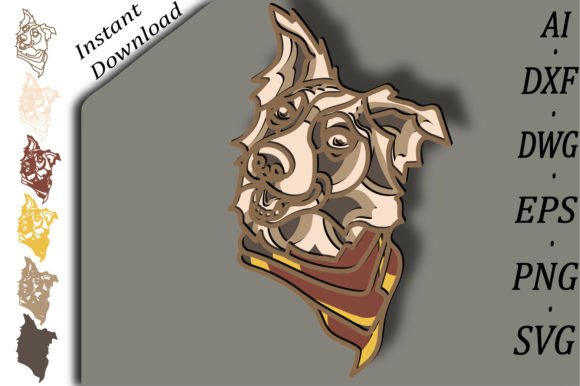
Layered Flower SVG and Cut File Mandala SVG: A Guide to Multilayer Laser Art
There is a distinct satisfaction in watching a laser cutter transform a flat sheet of material into something with depth, shadow, and intricate beauty. For makers, designers, and hobbyists, the Layered Flower SVG and Cut File Mandala SVG represent more than just digital files; they are blueprints for tangible art. This specific multilayer panel design, optimized for CNC machines and laser cutters, bridges the gap between digital precision and physical craftsmanship. Whether you are creating home decor, personalized gifts, or commercial signage, understanding how to leverage these vector templates can elevate your projects from simple cuts to sophisticated 3D compositions.
Understanding the Multilayer Concept
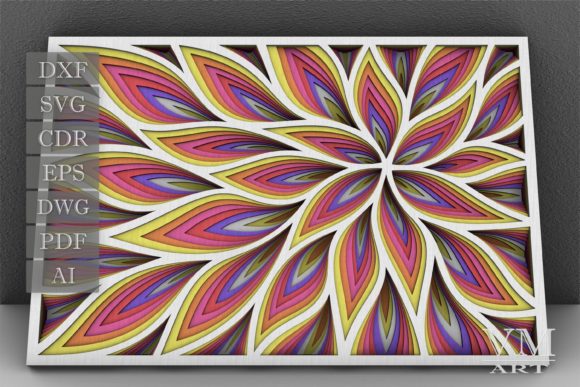
At its core, a multilayer mandala or flower vector template is a design split into separate components that stack upon one another. Unlike a single-layer cutout, which relies entirely on negative space, this approach uses elevation to create visual interest. The design in question features nine distinct layers. When assembled, these layers create a gradual transition from the background to the foreground, mimicking the natural growth patterns of a flower or the geometric complexity of a mandala.
The digital product includes a comprehensive suite of file formats—CDR, EPS, DXF, DWG, SVG, AI, and PDF—all packaged in a single zip file. This versatility ensures compatibility with almost any design software or laser control interface. Because this is a digital product, there is no physical item shipped. Instead, you gain immediate access to download the files after payment, allowing you to start your project without delay. The ability to scale the design to any ratio is a significant advantage, though it requires a keen eye for detail, particularly when shrinking the dimensions.
Real-World Applications and Creative Scenarios
The utility of a Layered Flower SVG extends far beyond a single craft niche. Different users find value in these files for varied purposes, ranging from interior design to educational tools.
Home Decor and Interior Design
For interior designers and DIY enthusiasts, wall art is a primary application. A 381 mm x 254 mm (15 x 10 inches) panel serves as an ideal accent piece for living rooms, bedrooms, or entryways. When cut from contrasting woods—such as light birch plywood for the base and dark walnut for the top layers—the natural grain enhances the organic feel of the flower motif. Alternatively, using acrylic or plexiglass in translucent colors can create a stained-glass effect when backlit. This makes the Cut File Mandala SVG perfect for creating custom lampshades or illuminated wall panels that cast intricate shadows.
Event Planning and Wedding Decor
In the events industry, customization is key. Wedding planners often seek unique backdrop elements or table centerpieces that reflect a specific theme. These multilayer vectors can be scaled up for large photo backdrops or down for delicate place card holders. Using paper or cardstock for smaller iterations allows for cost-effective, disposable decor that still looks high-end. The nine-layer structure provides enough complexity to look luxurious without requiring excessive assembly time, which is crucial when preparing for large-scale events.
Educational and Therapeutic Uses
Art therapists and educators use mandala designs for their calming, meditative properties. Assembling a multilayer laser-cut kit can be a mindful activity, encouraging focus and fine motor skill development. Schools with access to laser cutters or CNC machines can use these files to teach students about vector graphics, material properties, and assembly techniques. The step-by-step nature of stacking nine layers offers a clear, achievable goal for beginners in digital fabrication.
Material Considerations for Laser Cutting
Choosing the right material is critical to the success of your Vector layout for laser cutting. The design is compatible with a wide range of materials, including plywood, acrylic, wood, MDF, plexiglass, plastic, and paper. Each material brings different aesthetic and functional qualities to the final piece.
- Plywood and Wood: Ideal for rustic or natural looks. Birch plywood is a favorite due to its smooth surface and minimal charring. However, ensure the layers are thin enough to prevent the stack from becoming too bulky.
- Acrylic and Plexiglass: Perfect for modern, sleek designs. Acrylic melts slightly at the edges, creating a polished finish. Use contrasting colors for each layer to maximize visibility of the depth.
- MDF: A cost-effective option for painting. Since MDF has no grain, it takes paint evenly, allowing you to customize the color scheme entirely. It is also uniform in density, reducing the risk of uneven cuts.
- Paper and Cardstock: Best for prototypes or lightweight decor. Paper layers can be glued together easily, but handling nine delicate layers requires patience and precision.
When working with these materials, consider the kerf—the width of the cut made by the laser. In a multilayer design, even a small kerf can affect how tightly the layers fit together. Testing on scrap material is always recommended before committing to the final piece.
Technical Insights: Scaling and Layer Management
One of the most powerful features of this digital product is the ability to scale the panel to any ratio. The default dimension of 381 mm x 254 mm provides a balanced aspect ratio, but you may need to adjust it to fit specific frames or spaces. However, scaling introduces challenges, particularly when shrinking the design.
As you reduce the size, the intricate details of the nine layers become finer. What looks clear at 15 inches wide may become fragile or impossible to cut accurately at 5 inches. Consider subtle elements when shrinking. Thin connections between petals or geometric shapes may break during removal or assembly if scaled down too aggressively. It is advisable to maintain a minimum line thickness suitable for your laser’s focal point and power settings. Conversely, scaling up is generally safer, but you must ensure that the material thickness is proportional to the increased size to maintain structural integrity.
The inclusion of multiple file formats ensures that you can edit the design if needed. For instance, AI and EPS files allow for modification in Adobe Illustrator, while DXF and DWG are suitable for CAD software. If you need to adjust spacing between layers or thicken certain lines for a smaller scale, having access to editable vector files is invaluable.
Common Challenges and Solutions
While the Layered Flower SVG is designed for ease of use, users often encounter common hurdles. Assembly is one such challenge. With nine layers, aligning each piece perfectly requires a methodical approach. Using registration marks or a jig can help keep the layers centered. Adhesive choice also matters; spray adhesives offer even coverage without warping paper or thin wood, while wood glue provides a strong bond for thicker materials but requires clamping.
Another consideration is the laser settings. Different materials absorb laser energy differently. Acrylic may require higher speed and lower power to avoid melting, while wood needs slower speeds for clean cuts. Always refer to your machine’s manual for material-specific settings. If you experience issues with charring or incomplete cuts, adjusting the focus height or cleaning the lens can often resolve the problem.
If you have any problems with the purchase or technical difficulties during the cutting process, do not hesitate to reach out. Support is available to answer questions quickly, ensuring that your experience remains positive. The goal is to empower you to create beautiful, professional-quality pieces with confidence.
Final Thoughts on Digital Crafting
The shift towards digital products in the crafting world offers unparalleled flexibility. With a Cut File Mandala SVG, you are not limited by inventory or shipping times. You can produce one piece or one hundred, adapting to demand instantly. This multilayer panel design serves as a versatile tool in your creative arsenal, suitable for diverse industries and personal projects. By understanding the nuances of material selection, scaling, and assembly, you can unlock the full potential of these vector templates. Enjoy your shopping and the creative journey that follows.