Multilayer Laser Cut Files Tiger
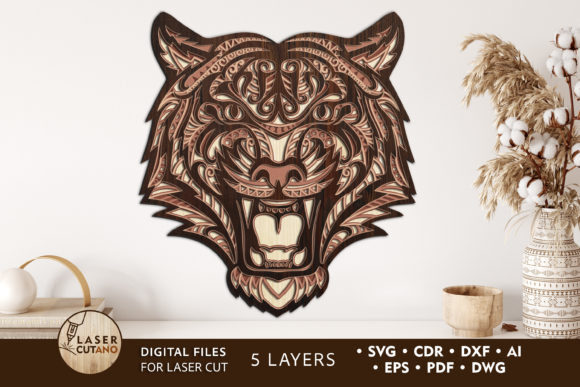
Creating dimensional wall art requires more than just a sharp blade and a reliable machine; it demands a design that understands depth, shadow, and structural integrity. The Multilayer Laser Cut Files Tiger offers a sophisticated solution for makers looking to produce striking wooden wall art or decorative pieces. This digital asset is not merely a single outline but a carefully engineered, multilayer layout specifically prepared for laser cutters, CNC routers, and other precision cutting machines. By providing a ready-to-use blueprint, it bridges the gap between conceptual creativity and tangible craftsmanship, allowing users to focus on material selection and assembly rather than complex vector drafting.
Understanding the Design and Cultural Significance
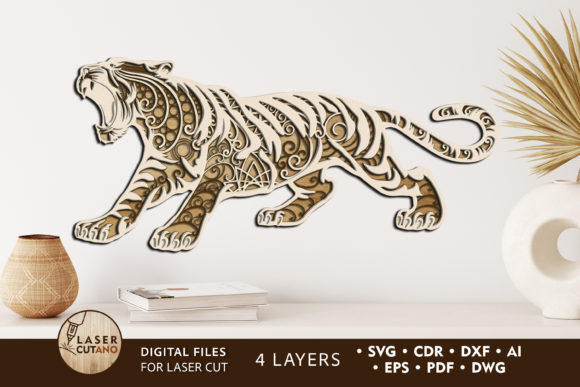
The tiger holds a prominent place in global symbolism, particularly within Chinese culture, where it is revered as a guardian of children. Traditionally, infants wear shoes and hats adorned with tiger motifs to ward off evil spirits and ensure protection. As the third animal in the zodiac cycle and the symbol of the New Year of 2022, the tiger represents courage, strength, and vitality. This specific multilayer laser cut file captures that essence through a dynamic composition that translates cultural heritage into modern decor.
For creators, understanding the backstory adds value to the finished product. When you craft this piece, you are not just assembling wood layers; you are creating an object with narrative weight. The design features four distinct layers, each contributing to the overall visual impact. This depth allows light and shadow to play across the surface, giving the artwork a lifelike presence that flat designs cannot achieve. The finished product measures approximately 25 by 11.5 inches, making it a substantial statement piece suitable for living rooms, nurseries, or office spaces.
Technical Specifications and File Compatibility
One of the primary concerns for any digital maker is file compatibility. This product addresses that need by offering a comprehensive suite of formats. Upon purchase, users receive a .zip file containing the design in .AI, .SVG, .DXF, .DWG, .CDR, .EPS, and .PDF formats. This versatility ensures that whether you are using Adobe Illustrator, CorelDRAW, AutoCAD, or standard laser control software, you can import the file without conversion errors.
It is crucial to note that users must unzip the folder before accessing the files. The TIGER dxf file and other formats are optimized for immediate use, but proper preparation is key. The design is scalable, allowing for customization of size. However, caution is advised when reducing dimensions. Because the model includes thin elements essential for the multilayer effect, shrinking the design too much may compromise structural integrity or make weeding difficult. For best results, maintain the recommended scale or increase it if space permits.
Material Selection and Assembly Guidelines
The success of a multilayer project hinges on material choice. This design is compatible with a wide range of materials, including plywood, MDF, acrylic, plexiglas, metal, cardboard, and paper. For wooden wall art, plywood and MDF are the most popular choices due to their affordability and ease of cutting. The recommended material thickness for wood is between 3 mm and 6 mm (approximately 1/8 inch to 1/4 inch). Using materials within this range ensures that the layers stack evenly and adhere properly without creating excessive bulk.
Assembly requires patience and precision. Each layer of the multilayer model is designed to be glued sequentially. A pro tip for achieving a professional finish is to paint or stain the individual layers before gluing them together. Once assembled, reaching into the crevices to apply finish becomes nearly impossible. Painting beforehand allows for crisp edges and uniform color coverage, enhancing the contrast between the layers. This step is particularly important for hobbyists and professionals alike who aim for a gallery-quality appearance.
Perspectives for Different Makers
The value of the Multilayer Laser Cut Files Tiger varies depending on the user’s experience level and goals. Here is how different audiences might approach this project:
- Beginners: For those new to laser cutting, this file serves as an excellent learning tool. It introduces the concept of layering without requiring complex design skills. The pre-separated layers allow beginners to focus on machine settings, such as power and speed, for different thicknesses. It provides a high-reward outcome with manageable complexity, boosting confidence for future projects.
- Experienced Professionals: Seasoned makers appreciate the time saved by not having to draft intricate vectors from scratch. The clean lines and optimized paths reduce cutting time and material waste. Professionals can use this design as a base for customization, perhaps adding personalized text or integrating it into larger furniture pieces. The reliability of the .DXF and .AI files ensures seamless integration into their existing workflows.
- Small Business Owners and Entrepreneurs: For Etsy sellers or local craft shop owners, this design offers commercial potential. The tiger motif appeals to a broad audience, especially during relevant cultural celebrations or for nursery decor. The ability to produce multiple units efficiently makes it a viable product line. However, entrepreneurs should verify licensing terms for commercial use and consider offering customization options, such as different wood stains or sizes, to differentiate their offerings.
- Educators and Hobbyists: Teachers can use this project to demonstrate principles of geometry, layering, and cultural history. It provides a hands-on way to discuss zodiac symbols and traditional art forms. Hobbyists, on the other hand, may enjoy the meditative process of assembly and painting. The project allows for creative expression through color choices, enabling each maker to produce a unique interpretation of the tiger.
Evaluating Fit for Your Project
Before downloading, consider your specific needs. If you prioritize speed and ease of use, this pre-made layout is ideal. It eliminates the hours spent on vector tracing and layer separation. If you are looking for flexibility, the scalable nature of the file allows you to adapt it to various spaces, provided you respect the minimum thickness constraints.
Quality seekers will appreciate the precision of the cut paths. The design avoids overly complex intersections that often lead to burn marks or incomplete cuts. For those focused on cost-effectiveness, the ability to use scrap materials like leftover plywood or acrylic offcuts makes this an economical choice. Even small pieces can be utilized for individual layers, minimizing waste.
Ultimately, the laser cut file wooden wall art market is saturated with generic designs. This tiger stands out due to its cultural resonance and thoughtful multilayer construction. Whether you are creating a gift, decorating your home, or building inventory for your business, this file provides a solid foundation. By combining technical reliability with artistic appeal, it supports a wide range of creative intentions. Remember to prepare your materials, adjust your machine settings for the chosen thickness, and take your time during assembly to ensure the final piece reflects the care put into its creation.