Creating Depth and Atmosphere: A Guide to the Multi Layer Laser Cut Deer and Night Design
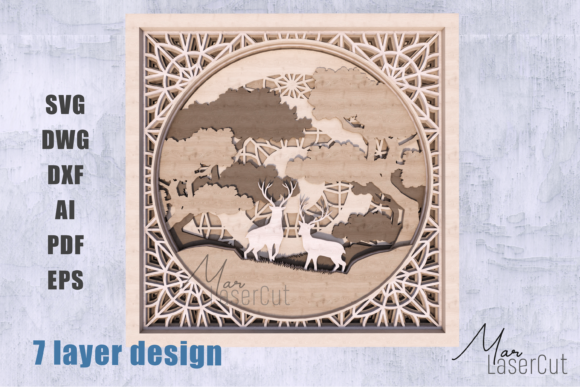
The intersection of digital design and physical craftsmanship has opened new avenues for home decor enthusiasts and professional makers alike. Among the most visually striking projects in this space is the Multi Layer Laser Cut Deer and Night design. This specific project combines the serene imagery of a deer silhouette with a mandala-inspired night sky, utilizing seven distinct layers to create a tangible sense of depth and dimension. For those exploring laser cutting as a hobby or a business venture, understanding the nuances of this multi-layered approach is essential for achieving high-quality results.
Unlike traditional two-dimensional cutouts, this design relies on the strategic stacking of materials to produce a 3D effect. The final product is not merely a flat image but a textured piece of art that changes appearance depending on the viewing angle and lighting conditions. This article explores the technical requirements, material considerations, and comparative advantages of using this digital product, helping you decide if it aligns with your creative goals and technical capabilities.
Understanding the Multi-Layer Construction
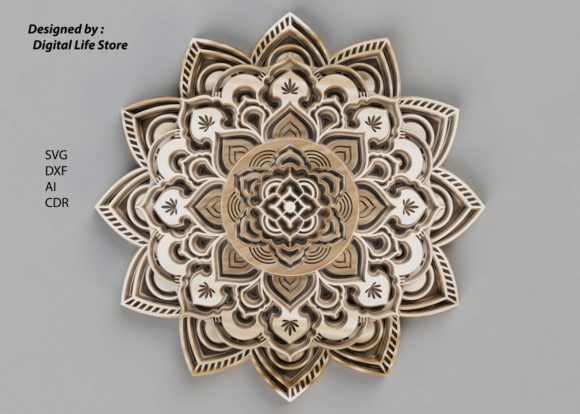
The core appeal of the Multi Layer Laser Cut Deer and Night lies in its construction. The design is distributed across seven separate layers, each contributing to the overall narrative of the piece. Typically, the front layers feature the primary subject—the deer and immediate foreground elements—while the subsequent layers build the background, often incorporating intricate mandala patterns that evoke a starry night sky.
When you purchase this digital product, you receive files in various formats, including SVG, DXF, AI, EPS, DWG, and PDF. This versatility ensures compatibility with a wide range of laser cutting software and machines. However, the complexity of seven layers introduces specific workflow considerations. Before beginning any cutting process, it is crucial to unzip the provided folder and extract all files. Organizing these layers in your design software according to the reference image is the first step toward a successful build. Misordering the layers can disrupt the intended visual depth, making the assembly instructions just as important as the cutting parameters.
Material Selection: Wood vs. Acrylic
One of the most significant decisions in bringing this design to life is material selection. The choice between wood and acrylic fundamentally alters the aesthetic and functional characteristics of the final piece.
Wood: Versatility and Warmth
Wood remains the most popular choice for multi-layer laser cut projects due to its natural warmth and ease of customization. When using wood for the Multi Layer Laser Cut Deer and Night, you have the option to leave the natural grain exposed for a rustic look or paint each layer individually. Painting allows for precise color control, enabling you to mimic the gradients of a twilight sky or highlight specific details of the deer. Birch plywood is often recommended because it cuts cleanly and accepts paint well without warping excessively.
Acrylic: Modernity and Contrast
Alternatively, colored acrylic offers a sleek, modern aesthetic. Using translucent or glitter-infused acrylic can create stunning light-interaction effects, especially if the piece is backlit. However, working with acrylic requires different machine settings and safety precautions, such as adequate ventilation to handle fumes. Combining wood and acrylic is another viable strategy; for instance, using wood for the structural frame and acrylic for the intricate mandala backgrounds can provide a unique contrast in texture and opacity.
Comparing Multi-Layer Designs to Single-Layer Alternatives
When evaluating decor options, it is helpful to compare multi-layer designs like the Deer at Night Mandala with simpler, single-layer alternatives. Single-layer cuts are faster to produce and require less material, making them cost-effective for large-scale production or quick gifts. However, they lack the dimensional depth that defines the multi-layer experience.
The trade-off here is between efficiency and visual impact. A single-layer deer silhouette is elegant but flat. In contrast, the seven-layer approach creates shadows and highlights that change throughout the day as ambient light shifts. This makes the multi-layer design particularly suitable for focal points in a room, such as above a mantle or as a standalone wall feature. If your goal is to create a conversation piece or a high-value item for sale, the additional time invested in assembling seven layers is generally justified by the superior aesthetic outcome.
Technical Considerations and Scaling
Scalability is a critical factor when working with complex vector files. The Multi Layer Laser Cut Deer and Night files can be resized within your cutting machine’s software, but this flexibility comes with constraints. When downsizing the design, you must pay close attention to the thickness of the cut lines and the small details within the mandala patterns. If the scale is reduced too much, delicate bridges may break during cutting or assembly, compromising the structural integrity of the piece.
Conversely, upsizing the design requires ensuring that your material sheets are large enough to accommodate the expanded dimensions. It is advisable to test cut a small section of the most intricate layer before committing to the full project. This practice helps verify that your laser settings are optimized for the chosen material thickness and type, preventing burn marks or incomplete cuts.
Assembly and Finishing Techniques
The assembly process transforms individual cut pieces into a cohesive work of art. Following the order specified in the reference image is paramount. Each layer must be aligned precisely to maintain the symmetry of the mandala and the positioning of the deer. Adhesive selection is also important; clear-drying glue is preferred to avoid visible residue, especially if you plan to leave some edges natural.
Finishing touches offer endless creative possibilities. You might choose to sand the edges of wooden layers for a smoother feel or apply a sealant to protect the wood from humidity. For acrylic, polishing the edges can enhance clarity and reflectivity. The ability to customize the color and texture means that no two installations need look identical, allowing for personal expression within a structured framework.
Is This Design Right for You?
Deciding whether to pursue the Multi Layer Laser Cut Deer and Night project depends on your resources and objectives. This design is an excellent choice if:
- You have access to a laser cutter capable of handling multiple materials and fine details.
- You enjoy the process of assembly and finishing, not just cutting.
- You are looking for a high-impact decorative piece with a professional appearance.
- You want the flexibility to customize colors and materials to match specific interior design themes.
However, this may not be the ideal project if you are a beginner with limited patience for detailed assembly or if you need to produce items rapidly with minimal labor. In such cases, simpler, fewer-layer designs might be more appropriate starting points.
Final Thoughts on Digital Craftsmanship
The Multi Layer Laser Cut Deer and Night represents a harmonious blend of technology and artistry. By leveraging digital files in formats like SVG and DXF, makers can achieve consistent, high-quality results while retaining the freedom to innovate with materials and finishes. Whether you are decorating your own space or creating products for others, understanding the balance between design complexity and practical execution is key. With careful planning, appropriate material selection, and attention to detail, this seven-layer design can become a standout element in any environment, offering a tranquil yet dynamic visual experience.