Bringing the Ocean to Life: A Guide to the Sea Turtle Shadow Box SVG Template
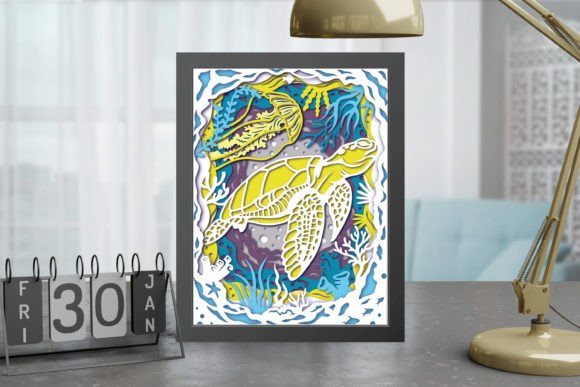
The ocean has a unique way of calming the spirit, and few creatures embody that serene majesty quite like the sea turtle. For crafters, designers, and home decor enthusiasts, capturing this beauty in a tangible form is a rewarding challenge. This is where the Sea Turtle Shadow Box SVG Template becomes an invaluable resource. Unlike standard flat prints, a shadow box creates depth, dimension, and a sense of immersion that draws the viewer in. By utilizing digital templates designed specifically for layered paper crafting, you can transform simple sheets of cardstock into a glowing, three-dimensional masterpiece that looks professional and feels personal.
Understanding the Dimensional Difference
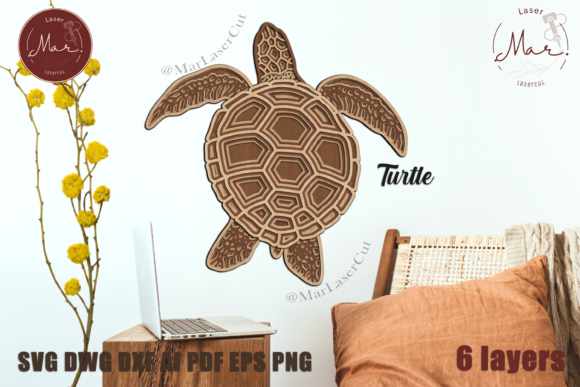
When approaching a project with the Sea Turtle 2 Shadow Box SVG Template, it is essential to understand that you are not just cutting shapes; you are building a scene. The primary distinction of this specific template set is its focus on layering. The design typically breaks down the image of the sea turtle and its surrounding marine environment into multiple distinct layers. When stacked with spacing material between them, these layers create shadows and highlights that mimic the way light filters through water.
The standard dimension for this particular template is 8x10 inches. This is a classic frame size, making it incredibly easy to source materials. However, one of the greatest advantages of using SVG (Scalable Vector Graphics) and DXF files is their flexibility. You can resize the image to fit a larger display or a smaller niche, provided you maintain the aspect ratio. Keeping the ratio intact ensures that the sea turtle does not appear stretched or squashed, preserving the anatomical correctness and artistic intent of the original design.
The Anatomy of the Files
Upon downloading the package, you will find a comprehensive suite of file formats designed to accommodate every type of creator, from the hand-cutter to the tech-savvy machine operator. The inclusion of PDF files offers a ready-to-print solution for those who prefer to cut by hand using an art knife. These PDFs often come with an instruction file that guides you through the assembly order, which is critical for achieving the correct depth effect.
For users of electronic cutting machines like the Silhouette or Cricut, the SVG and DXF files are the stars of the show. These vector files allow the machine to read the precise paths needed to cut intricate details, such as the texture of the turtle's shell or the delicate fronds of seaweed. Additionally, PNG files are included, which are perfect for previewing the design or using in digital mockups before committing to physical materials.
Selecting the Right Materials for Durability and Depth
The success of a shadow box project relies heavily on the quality of materials used. While the digital template provides the roadmap, the physical components build the structure. The first consideration is paper. The recommendation is to use A4 size paper with a weight between 170-250 gsm. This weight range is crucial; paper that is too light (like standard printer paper) will buckle under the tension of the layers and fail to hold its shape. Conversely, paper that is too heavy may be difficult for some cutting machines to process cleanly. The 170-250 gsm range offers the perfect balance of rigidity and cuttability.
To create the actual "shadow" effect, you need spacing material. Foam board with a thickness of about 3-7 mm is ideal. This material serves two purposes: it acts as the spacer between the paper layers to create depth, and it provides a sturdy backing for the entire composition. If you prefer a lighter option, foam tape can be used, but foam board offers superior structural integrity for an 8x10 project.
The final vessel for your art is the frame itself. A standard picture frame will not suffice because it lacks the necessary depth. You must select a shadow box frame with a depth of at least 6-8 cm (approximately 2.5-3 inches). This depth accommodates the multiple layers of paper, the foam spacers, and potentially lighting elements without crushing the artwork against the glass.
Illuminating the Deep: Adding LED Lighting
One of the most transformative aspects of modern shadow boxing is the integration of light. A sea turtle scene naturally begs for illumination to simulate sunlight piercing the ocean surface. The template design often accounts for negative space where light can pass through. To achieve this, LED strips are highly recommended.
You have two primary options for lighting. First, a 12V module LED strip provides bright, consistent white light that mimics natural daylight. This is excellent for highlighting the crisp details of the cut layers. Second, an RGB LED strip (5V) allows you to change colors, enabling you to shift the mood from a bright midday reef to a mysterious twilight blue. When installing lights, ensure they are placed around the perimeter of the frame or behind specific layers to avoid hot spots that could distract from the sea turtle imagery.
Who Benefits from This Template?
The versatility of the Sea Turtle Shadow Box SVG Template means it appeals to a wide demographic. For general consumers and hobbyists, it offers a structured yet creative weekend project. It removes the difficulty of designing complex layers from scratch, allowing the user to focus on the tactile joy of assembly and color selection.
For professionals and business owners in the crafting industry, this template represents a scalable product opportunity. Because the files are digital, a creator can produce multiple units efficiently. Whether selling finished framed pieces at local art fairs or offering "cut-and-assemble" kits online, the high-quality vector files ensure a professional finish every time. The ability to resize the design also means a business can cater to custom orders, creating large-scale installations for offices or boutique hotels with coastal themes.
Creators and educators also find value here. The step-by-step nature of assembling a shadow box makes it an excellent teaching tool for understanding spatial relationships, layering, and light. It bridges the gap between digital design and physical art, making it a perfect case study for STEAM (Science, Technology, Engineering, Arts, and Mathematics) initiatives.
Practical Considerations and Limitations
While the results are stunning, it is important to have realistic expectations regarding the process. Cutting intricate SVG designs, especially with thinner papers, requires patience. If using a machine, blade sharpness is paramount; a dull blade can tear the 170 gsm paper, ruining the delicate edges of the turtle's flippers. If cutting by hand, a fresh art knife blade is non-negotiable for clean lines.
Assembly requires precision. Misaligning the layers by even a few millimeters can disrupt the visual flow of the image. It is advisable to do a "dry fit" of all layers before applying any adhesive. Furthermore, when adding LED strips, heat management should be considered. Although LEDs run cool, enclosing them in a deep frame with limited airflow means you should opt for high-quality strips that do not overheat, and ensure the power source (battery pack or USB) is accessible for maintenance.
Another consideration is the environment where the piece will be displayed. Direct, intense sunlight hitting the frame for prolonged periods can fade the colored paper over time. While the shadow box structure offers some protection due to the glass front, placing the artwork in indirect light will preserve its vibrancy for years.
Real-World Applications and Scenarios
Imagine a coastal-themed bedroom where the goal is to create a focal point that induces relaxation. A completed Sea Turtle Shadow Box with soft blue ambient lighting serves this purpose perfectly. The depth of the box catches the eye, while the subject matter promotes tranquility.
In a commercial setting, such as a spa or a dentist's office waiting room, these shadow boxes can reduce anxiety. The organic shapes of the sea turtle and the soothing glow of the internal lighting provide a distraction that is both engaging and calming. For event planners, these templates can be adapted for baby showers or birthday parties with an "under the sea" theme, serving as both decoration and a memorable party favor if guests are invited to assemble smaller versions.
Evaluating Suitability for Your Project
Before diving in, ask yourself: Do I have the right tools? If you own a Cricut or Silhouette, the SVG/DXF files will save you hours of work. If not, are you comfortable using an art knife for extended periods? The PDF files are robust, but hand-cutting an 8x10 multi-layer design requires a steady hand and good lighting.
Also, consider your budget for framing. A high-quality shadow box frame with 3 inches of depth can be more expensive than a standard frame. Ensure that the cost of the frame, foam board, specialty paper, and lighting fits within your project constraints. However, given the professional look of the final product, the investment often yields a piece of art that rivals gallery prices.
In conclusion, the Sea Turtle Shadow Box SVG Template is more than just a digital download; it is a gateway to creating immersive, dimensional art. Whether you are a seasoned crafter looking to expand your portfolio or a beginner eager to try something new, the combination of precise vector files, accessible materials, and the timeless beauty of the sea turtle makes this project a standout choice. By paying attention to material weights, lighting choices, and assembly precision, you can bring the quiet grace of the ocean into any space, one layer at a time.